Health Equity
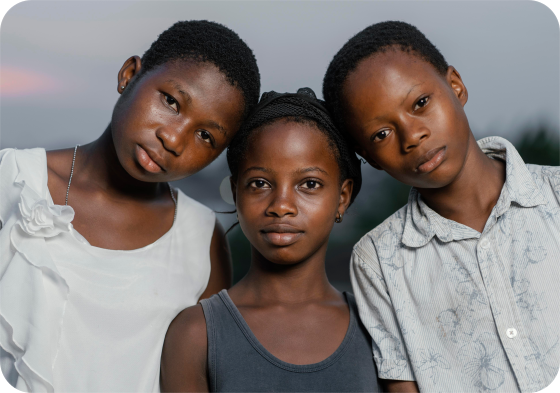
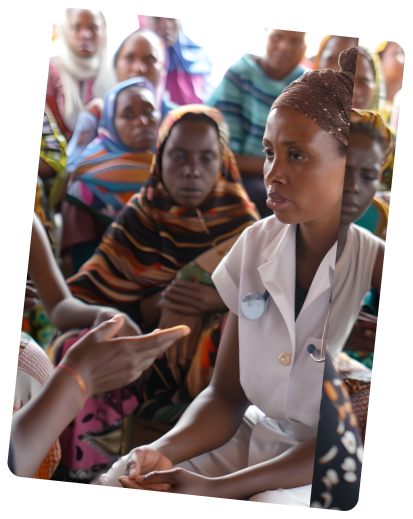
Ensuring every woman and girl can access quality health services without barriers of cost, distance or discrimination.
She Aspires Africa Foundation
She Aspires Africa Foundation builds a continuum of support that begins with
health and wellbeing, builds women's agency and leadership, and drives
sustainable economic empowerment.
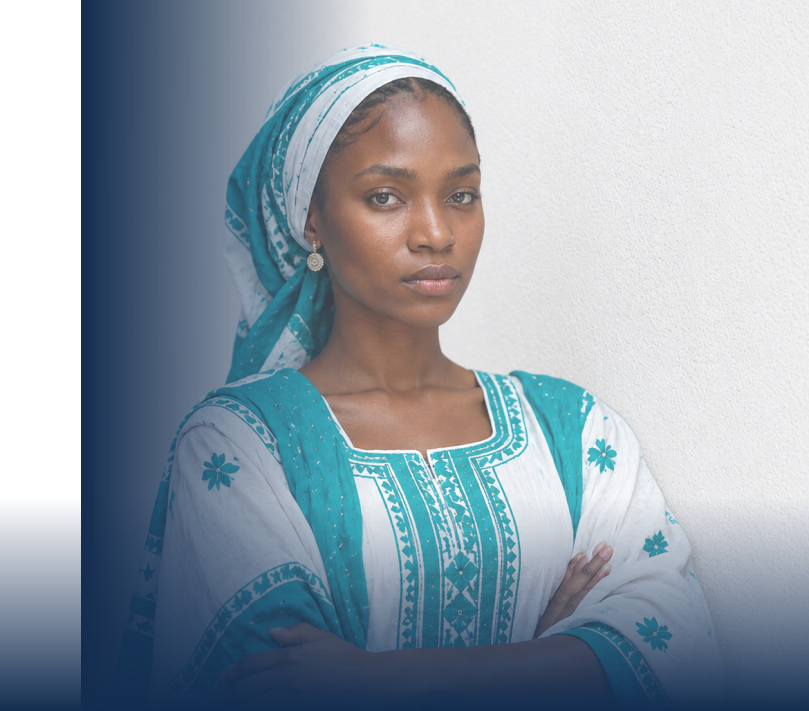 Hero portrait: young woman in white and teal attire against a grey wall.
Who we are
Social conditions like the circumstances of nutrition, sanitation, education, safety, social protection and economic opportunity determine whether health, dignity and prosperity are possible. SAAF works on all of them.
SAAF is a nonprofit foundation advancing health equity, women’s empowerment, education and community development through programmes that address the social conditions shaping women’s lives across Africa.
Ensuring every woman and girl can access quality health services without barriers of cost, distance or discrimination.
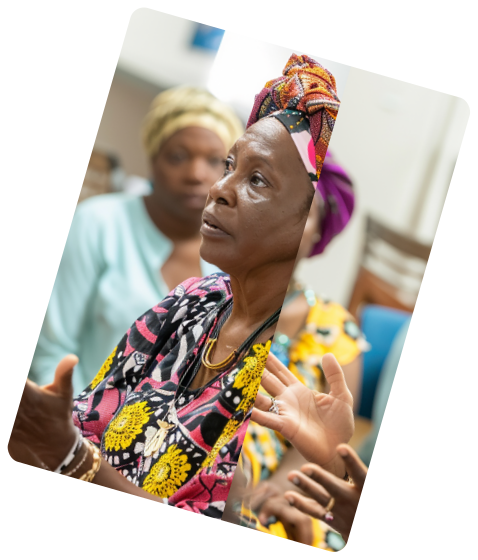
Building the knowledge, confidence and safety for women to lead their own lives.
Creating pathways to literacy, learning and the skills that change life trajectories.
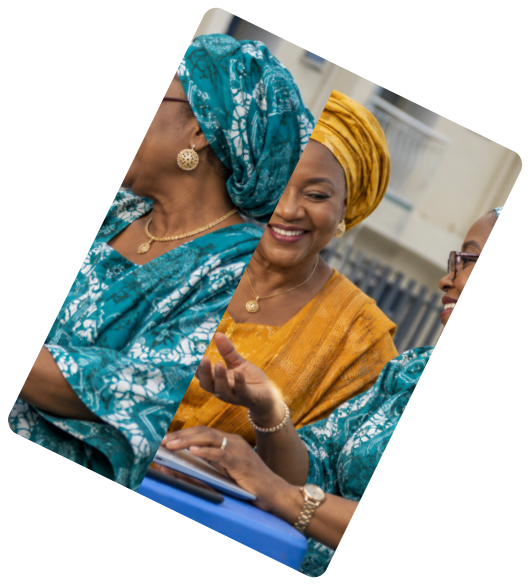
Strengthening the social fabric and local systems that sustain progress over generations.
The challenge
A woman may survive childbirth but still lack a voice in household decisions. Recovering from illness is not the same as being free.
A woman may gain a skill but lack the health, mobility or opportunity needed to use it. Capability alone cannot overcome structural barriers.
Isolated interventions rarely hold. Lasting change requires a model that recognises how health, agency and income reinforce one another.
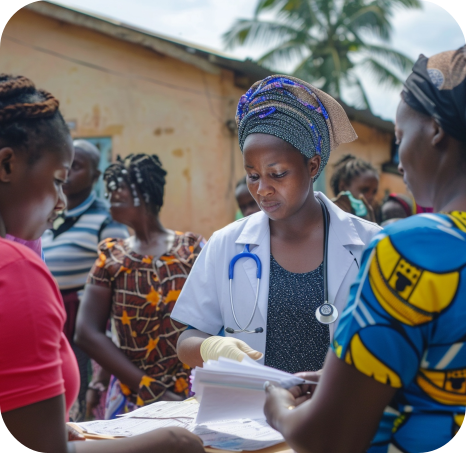
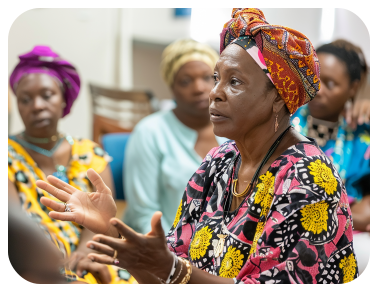
That is why SAAF’s model is integrated — connecting health, agency
and livelihoods not as parallel programmes, but as one coherent
journey.
The SAAF model
Stage 1 of 3
Health is where SAAF first accesses the community and builds trust. By leading with maternal, newborn, child and adolescent health, well-being, and the social determinants that surround them — nutrition, water and sanitation, social protection and humanitarian response — the Foundation meets communities at their point of greatest need.
Every health project will serve as a funnel and trustbuilding mechanism to identify and address issues beyond curative and preventive health.
What powers the model
Three foundational elements make SAAF’s integrated model possible — generating knowledge, influencing systems, and sustaining partnerships that extend reach and deepen impact.
Every project is guided by rigorous research, ensuring that we understand the context, identify lessons and best practices, and implement based on robust evidence.
To ensure long-term sustainability, we will integrate advocacy into shaping gender-responsive policy, budgeting and health-equity investment at community, state and national levels, so that program gains are reinforced by system change.
Structured partnerships and collaboration with government, donors, development partners, academia and the private sector will enable us to access the funding needed to continue driving our work.
Where we work
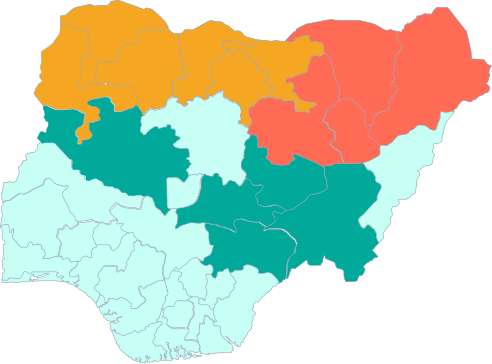
SAAF’s initial focus geographies are rooted in communities in Nigeria
where women and girls face compounding disadvantages across
health, agency and economic opportunity.
These are initial focus geographies. They do not represent
confirmed active operations in all listed locations.
The Middle Belt
5 states — Benue, Plateau, Nasarawa, Niger, Taraba
Far North — North-West
6 states — Kano, Katsina, Sokoto, Zamfara, Kebbi, Jigawa
Far North — North-East
4 states — Borno, Yobe, Bauchi, Gombe
How we work
01
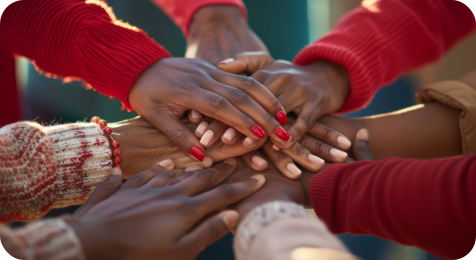
A trained, largely female network of community health workers and volunteers forms the backbone of the model — trusted, embedded, and known within the communities they serve.
02
Women entering through health platforms can progressively connect to leadership opportunities, rights literacy, savings groups and skills development — on their own terms.
03
SAAF works through existing structures including ward development committees, women's associations and faith institutions — not around them.
02
SAAF uses monitoring, evaluation, research and learning to track progress and improve implementation — remaining accountable to communities and to evidence.
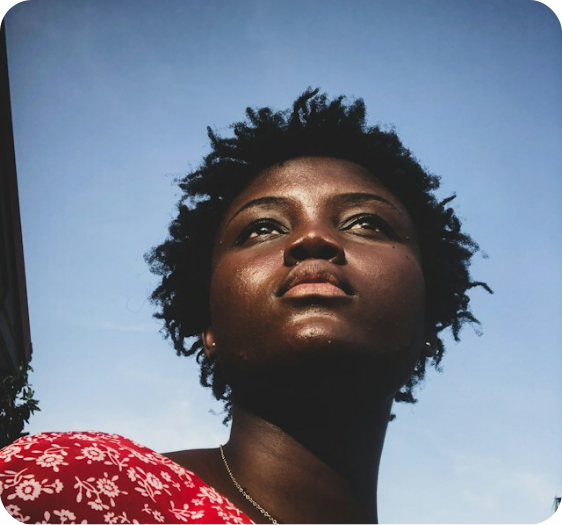
SAAF’s approach places dignity, agency and choice at the centre of every interaction. Women are not recipients of charity — they are the primary architects of their own transformation.
Get involved
Whether you invest financially, share expertise, or align your organisation with SAAF’s mission — there is a meaningful way to participate in this work.